
VIỆN LUẬT SO SÁNH TỔ CHỨC CHUYÊN ĐỀ ĐÀO TẠO THỰC HÀNH CHO HỌC VIÊN NƯỚC NGOÀI
Trong khuôn khổ chương trình đào tạo học phần Tiếng Việt và Tiếng Việt pháp lý dành cho học viên cao học nước ngoài tại Trường Đại học Luật Hà Nội, Viện Luật so sánh đã tổ chức chuỗi hoạt động trải nghiệm thực tế với 03 chủ đề: “Tìm hiểu chính trị Việt Nam”, “Tìm hiểu văn hóa - xã hội Việt Nam” và “Tìm hiểu pháp luật Việt Nam”. Đây là các học phần bắt buộc đối với học viên quốc tế tại Trường, nhằm mục tiêu gắn kết giữa đào tạo lý thuyết và trải nghiệm thực tế, hỗ trợ học viên nâng cao năng lực học tập, nghiên cứu và hội nhập trong môi trường giáo dục đại học tại Việt Nam. Thông qua chuỗi hoạt động được triển khai trong chuyên đề, học viên có cơ hội vận dụng kiến thức đã được trang bị trên lớp vào thực tiễn, đồng thời nâng cao hiểu biết của học viên quốc tế về đất nước, con người, lịch sử, văn hóa và hệ thống pháp luật Việt Nam.
 Tham gia chuyên đề, về phía Viện Luật so sánh có PGS. TS. Nguyễn Hiền Phương – Phó Viện trưởng phụ trách Viện, phụ trách học phần Tiếng Việt và Tiếng Việt pháp lý, cùng sự tham gia của tập thể giảng viên của Viện trực tiếp giảng dạy học phần, chuyên viên phòng Hợp tác quốc tế. Về phía học viên, gồm có các học viên cao học đến từ Cộng hòa Dân chủ Nhân dân (CHDCND) Lào, hiện đang theo học chương trình đào tạo ngành Luật học, Luật Quốc tế… tại Trường Đại học Luật Hà Nội.
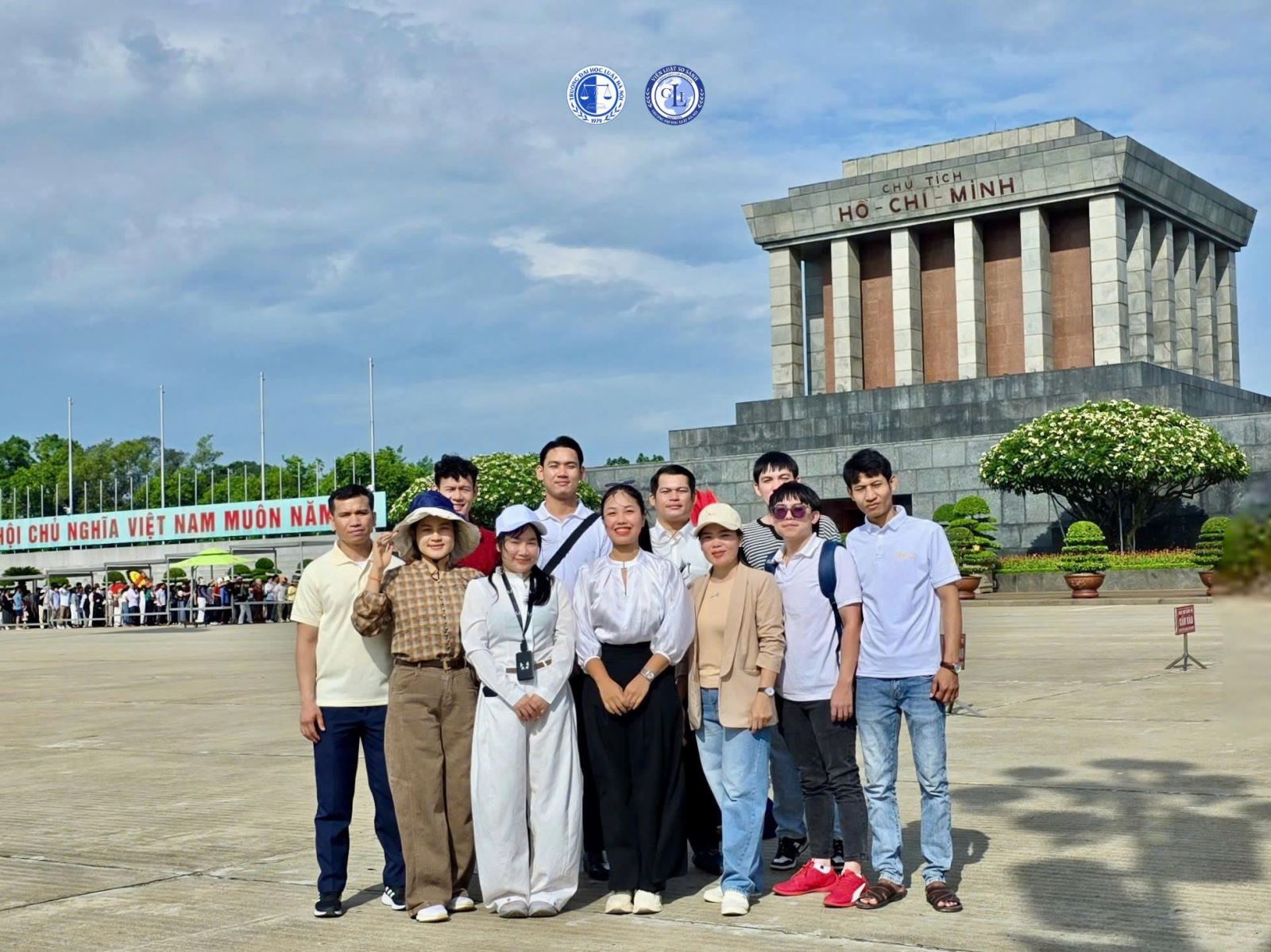
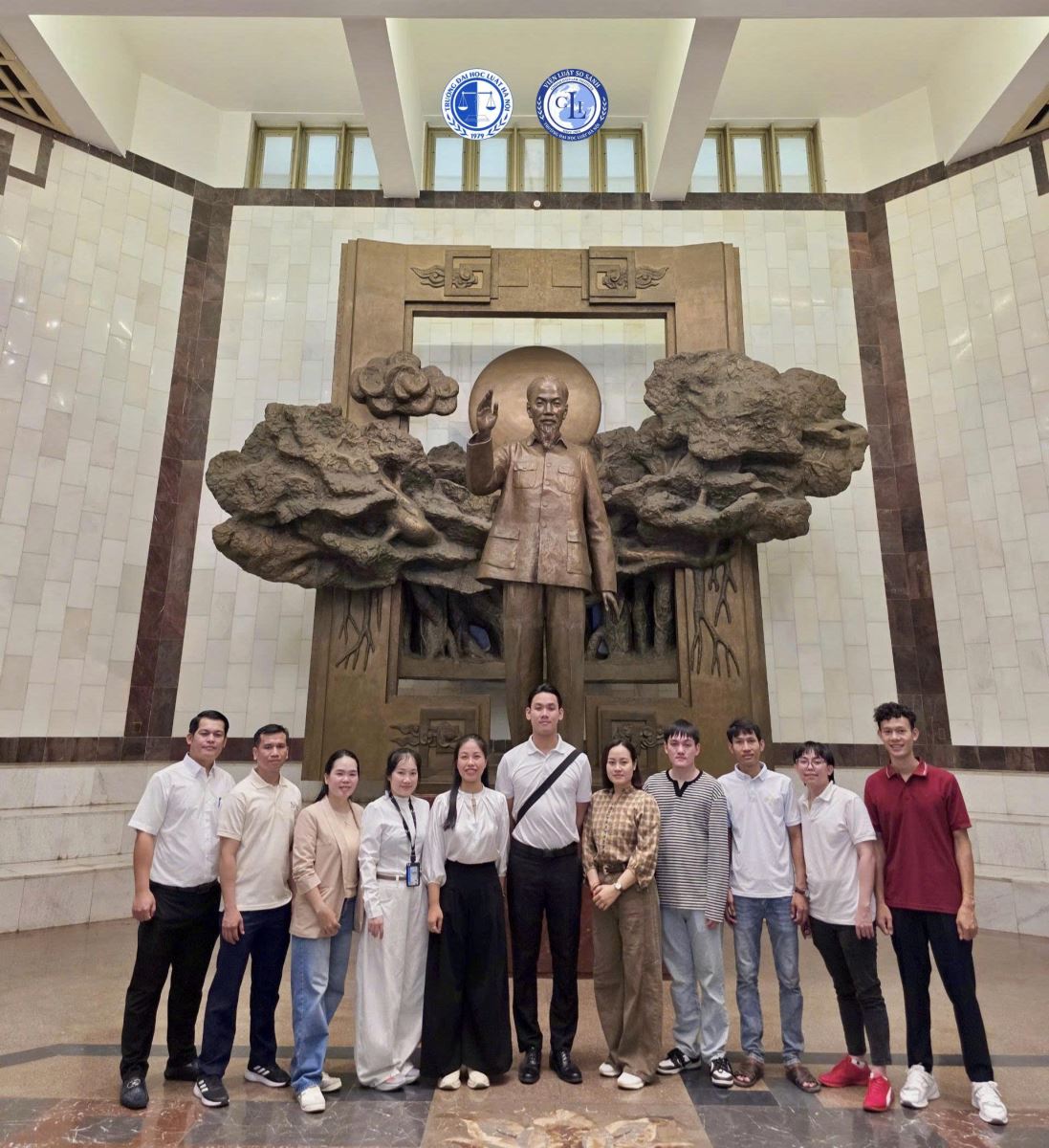
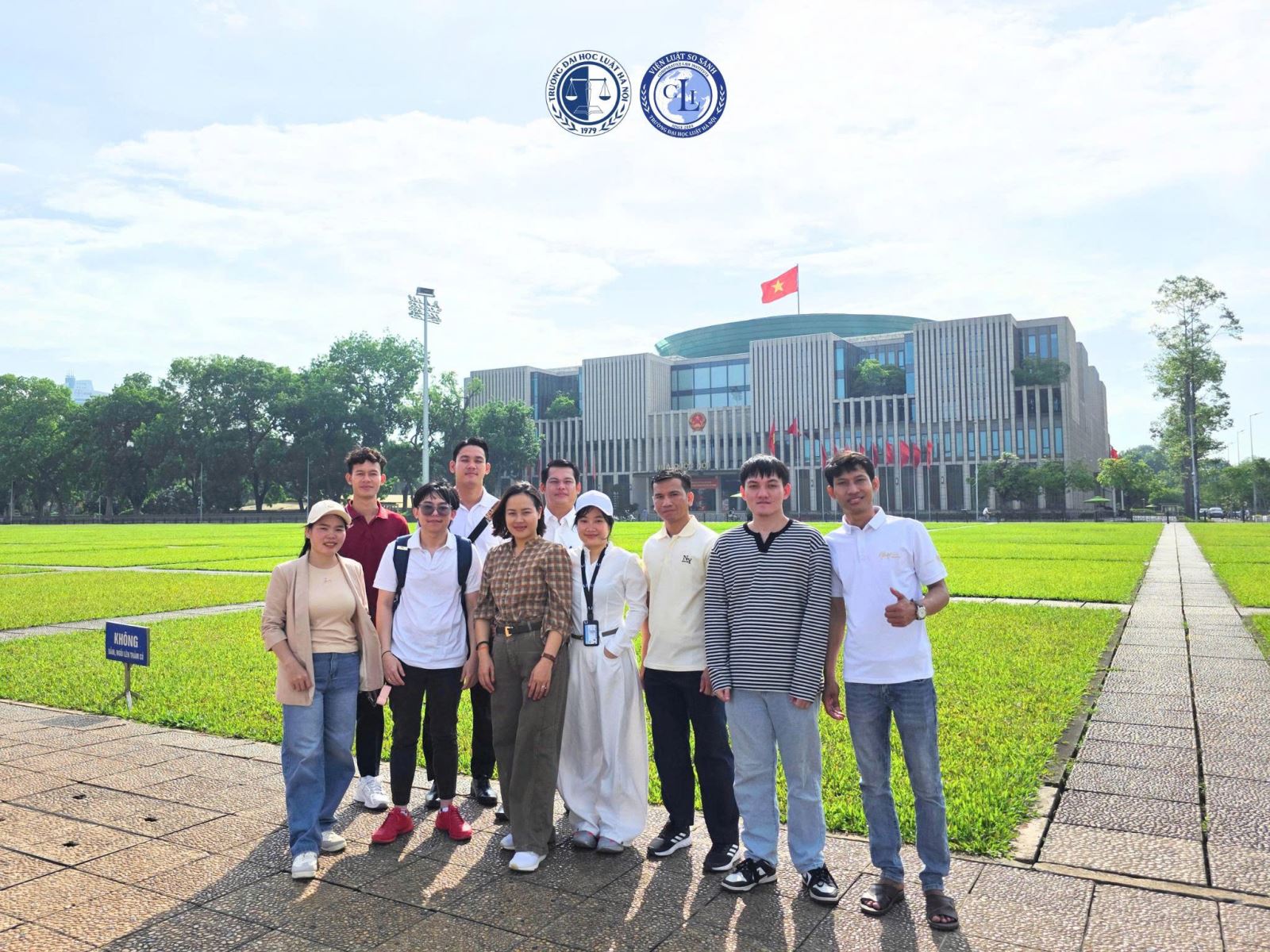
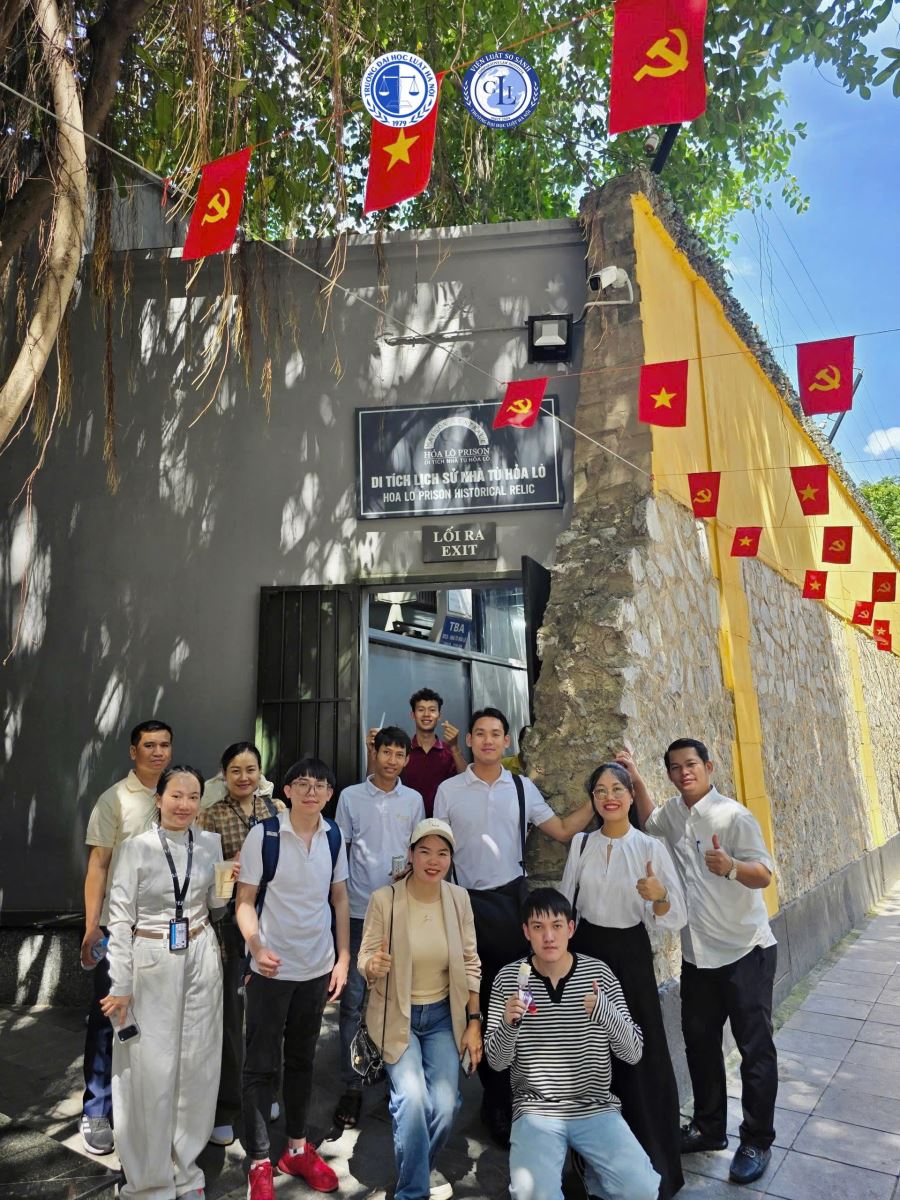
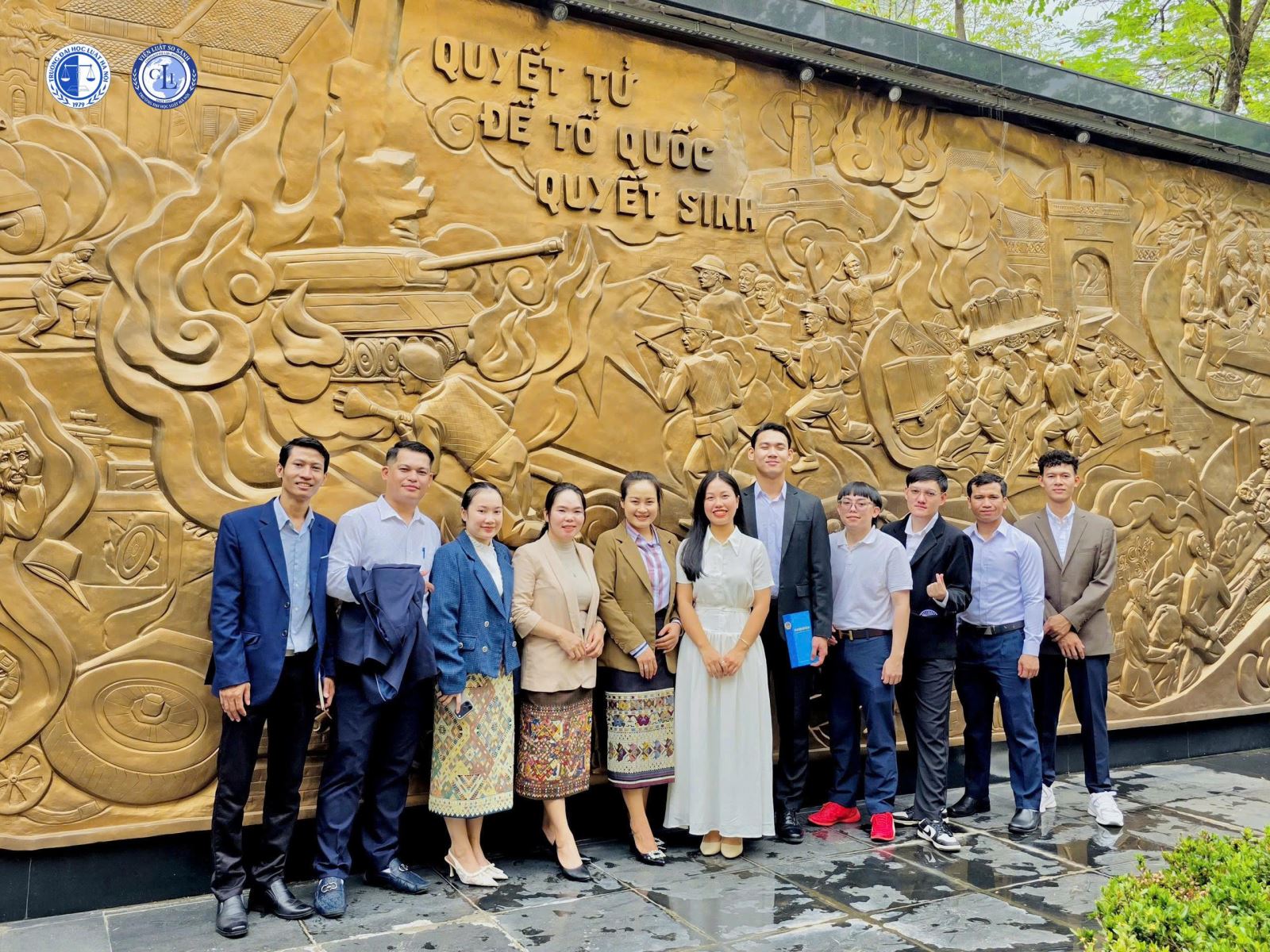
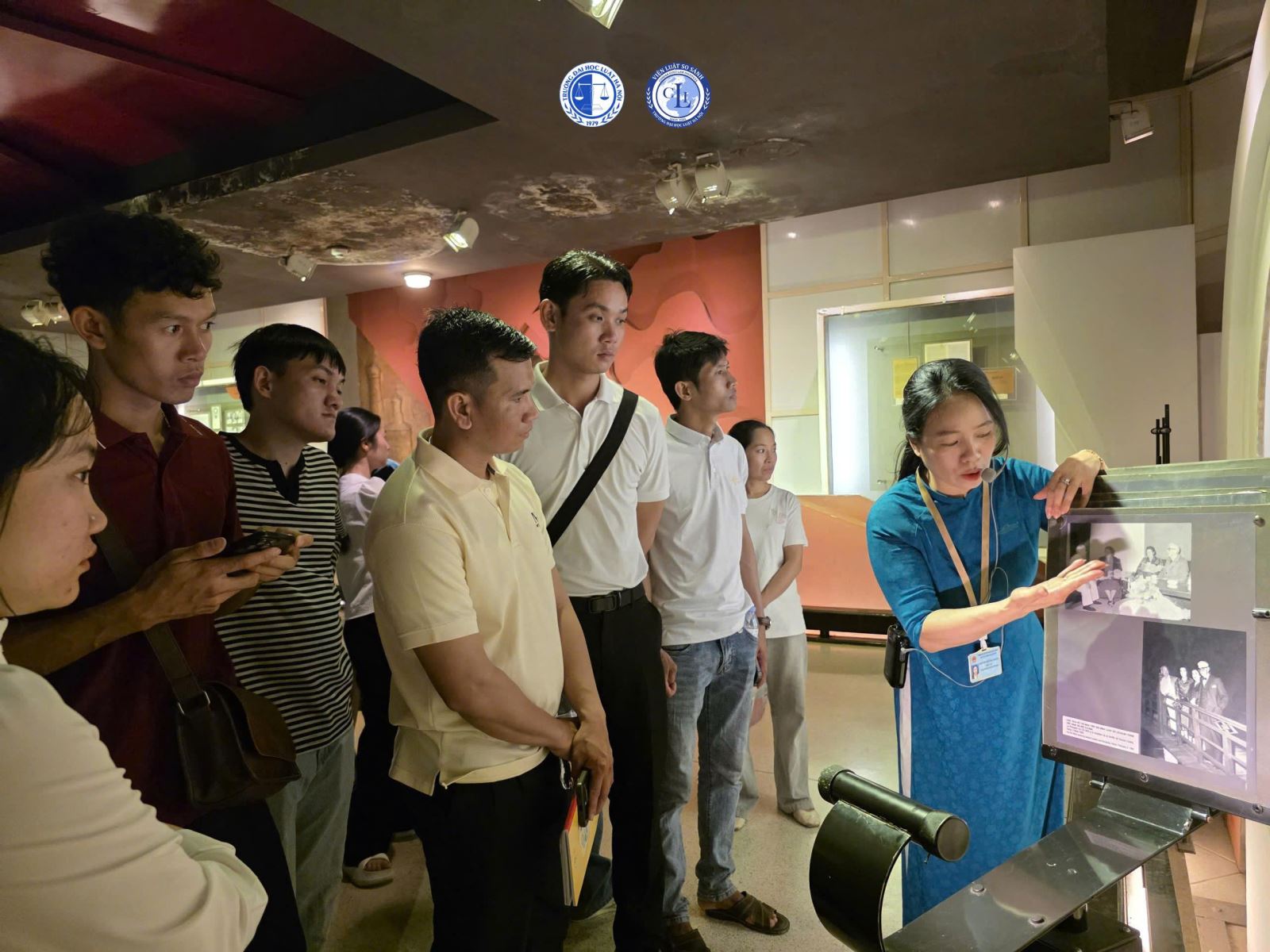
Trong chuyên đề “Tìm hiểu chính trị Việt Nam”, ngày 23/5/2026, học viên đã tham quan và tìm hiểu tại Lăng Chủ tịch Hồ Chí Minh, Bảo tàng Hồ Chí Minh và Di tích Nhà tù Hỏa Lò. Thông qua các hoạt động nghe thuyết minh, trao đổi và thảo luận, học viên có cơ hội tiếp cận những kiến thức cơ bản về lịch sử cách mạng Việt Nam, tư tưởng Hồ Chí Minh và hệ thống chính trị Việt Nam.
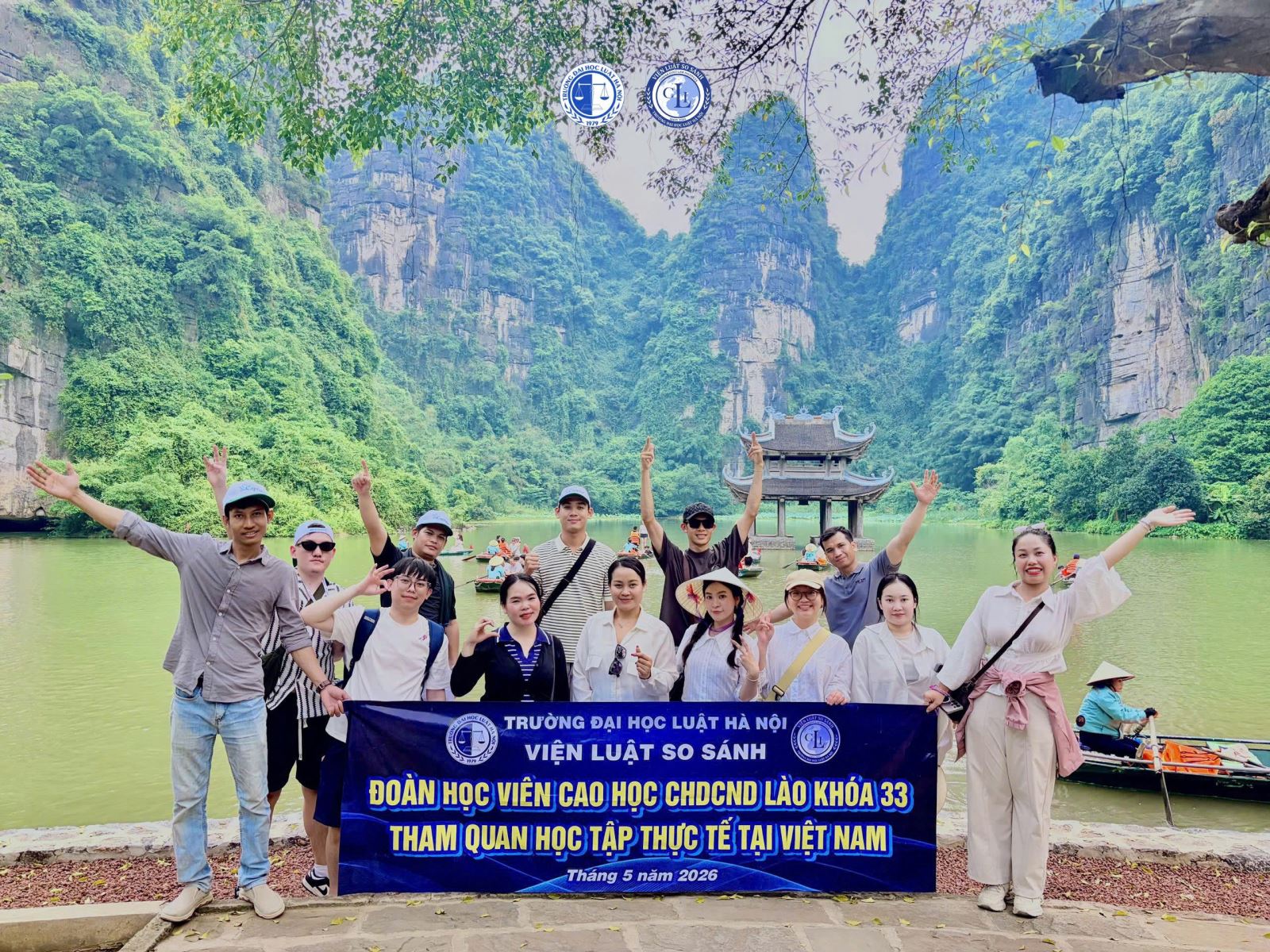
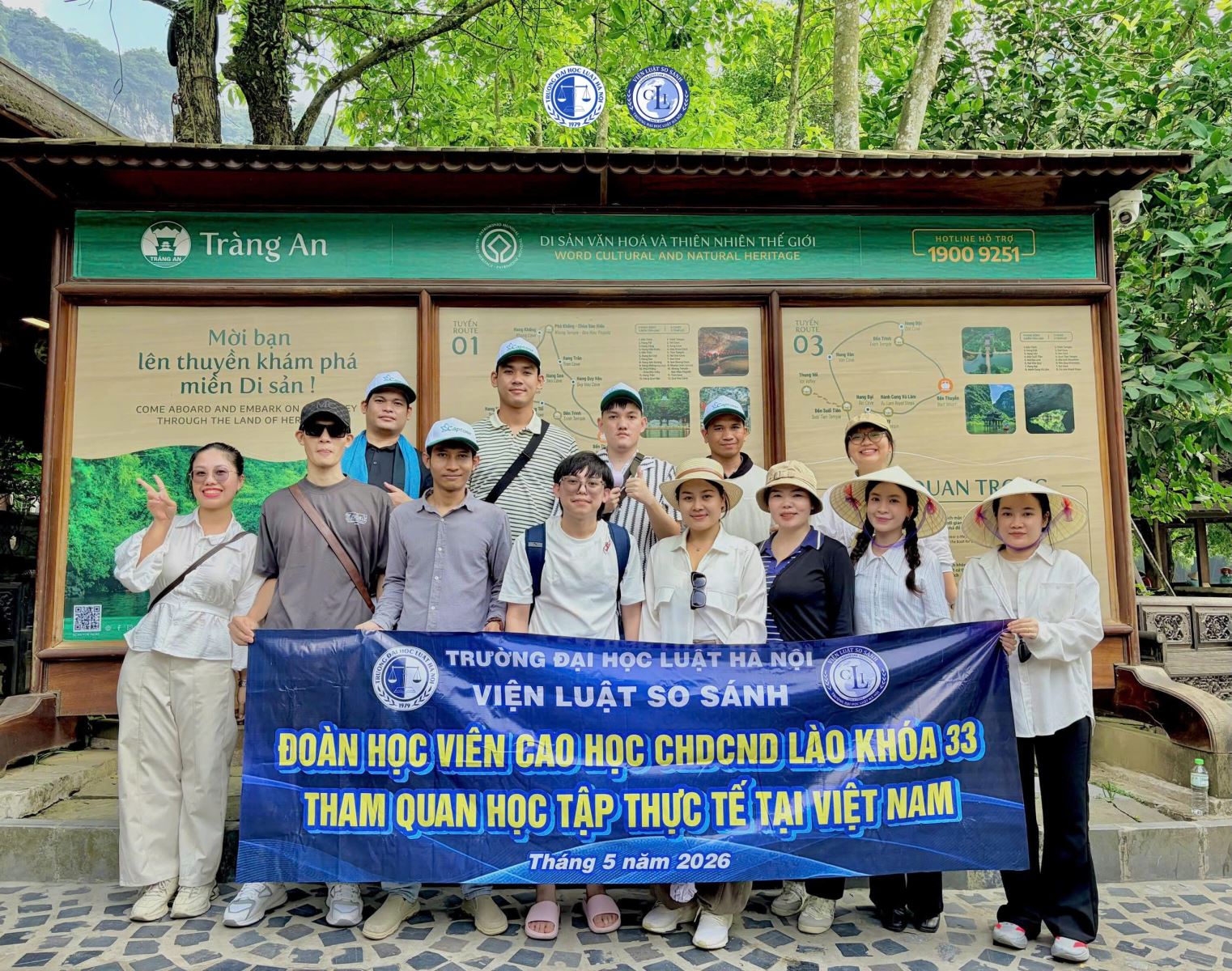
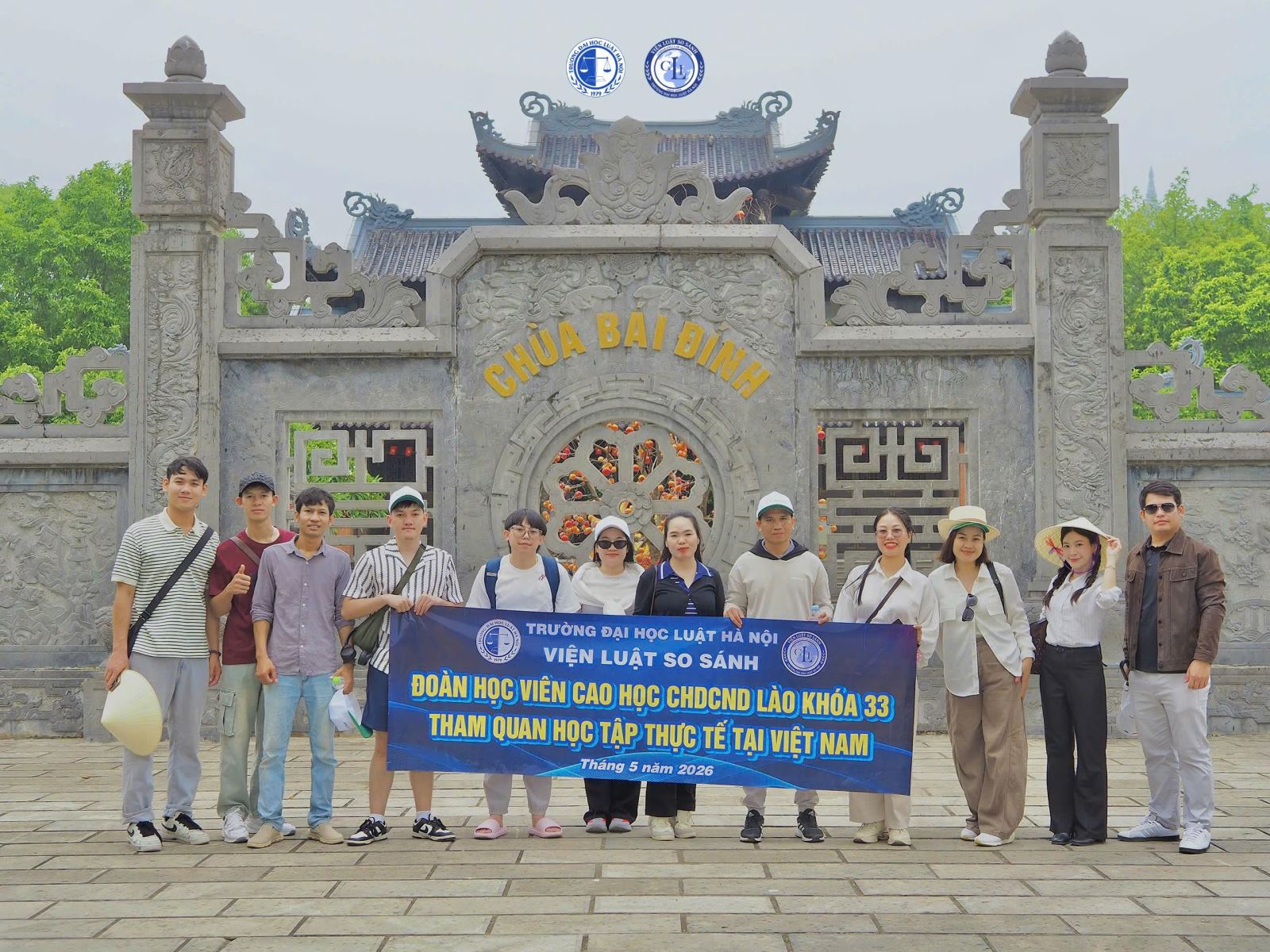
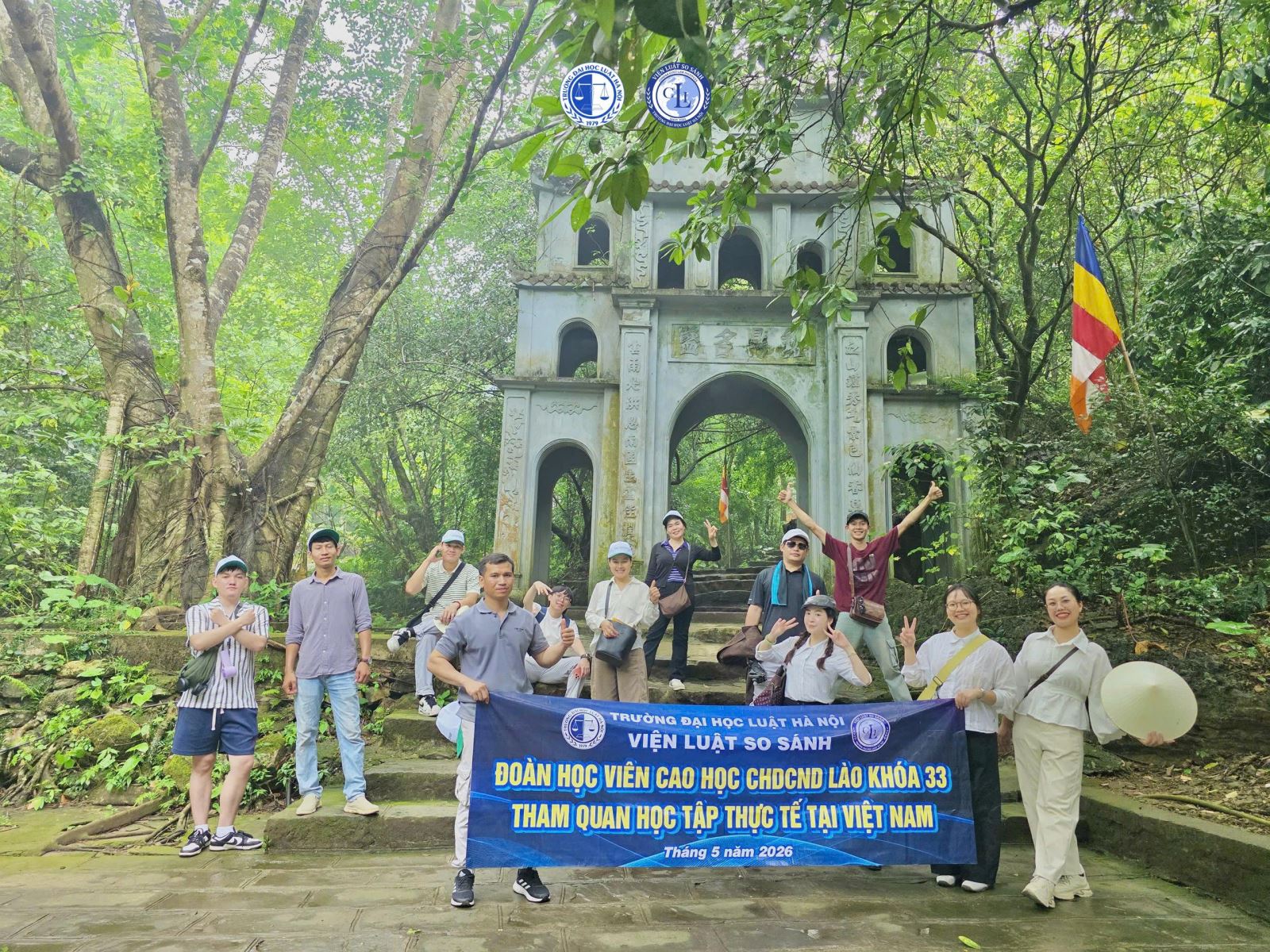
Ở chuyên đề “Tìm hiểu văn hóa – xã hội Việt Nam”, ngày 29/5/2026, đoàn học viên đã có chuyến trải nghiệm thực tế tại quần thể danh thắng Tràng An – Bái Đính (Ninh Bình). Hoạt động giúp học viên hiểu rõ hơn về các giá trị văn hóa truyền thống, tín ngưỡng, đời sống xã hội của người Việt Nam cũng như vai trò của di sản văn hóa trong quá trình phát triển kinh tế, xã hội và hội nhập quốc tế. Đây cũng là dịp để các học viên trao đổi, so sánh những nét tương đồng và khác biệt giữa văn hóa Việt Nam và văn hóa CHDCND Lào, qua đó tăng cường hiểu biết liên văn hóa và củng cố tình hữu nghị giữa nhân dân hai nước.
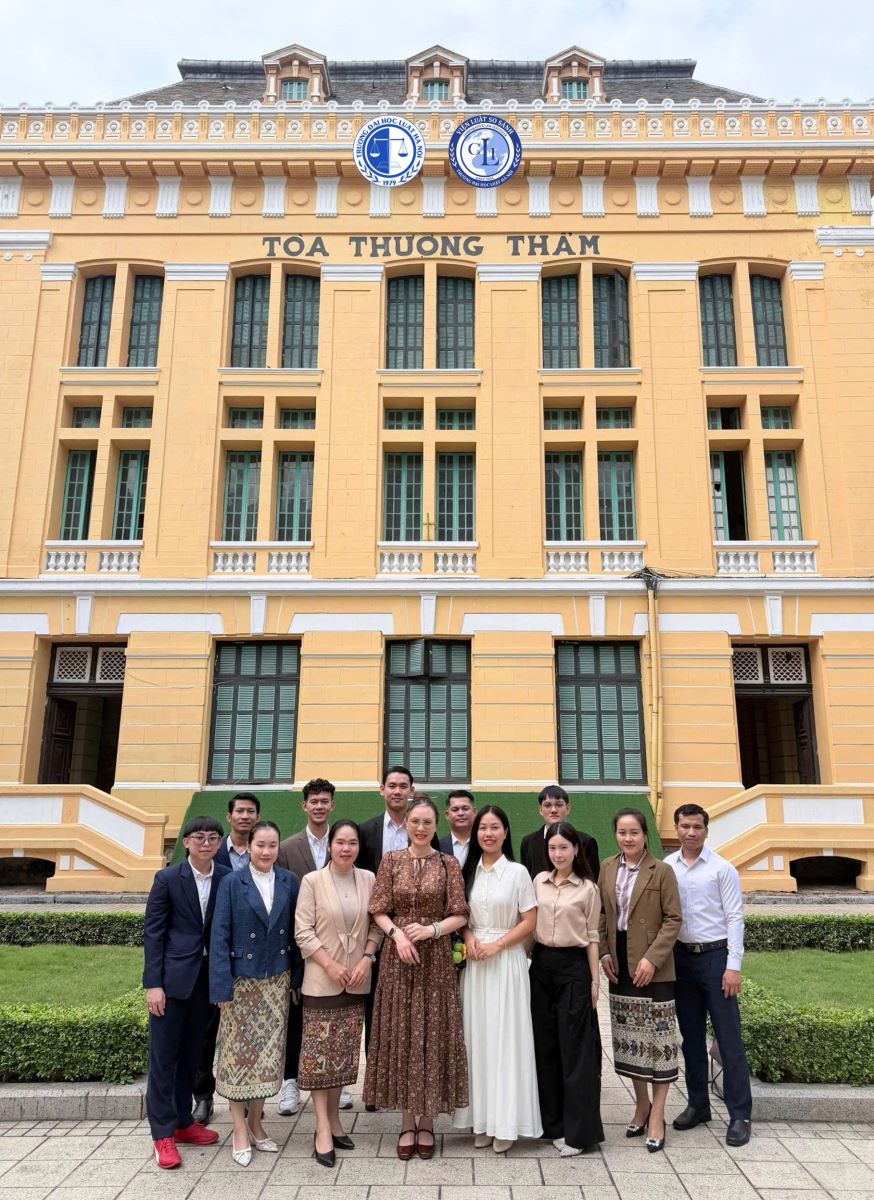
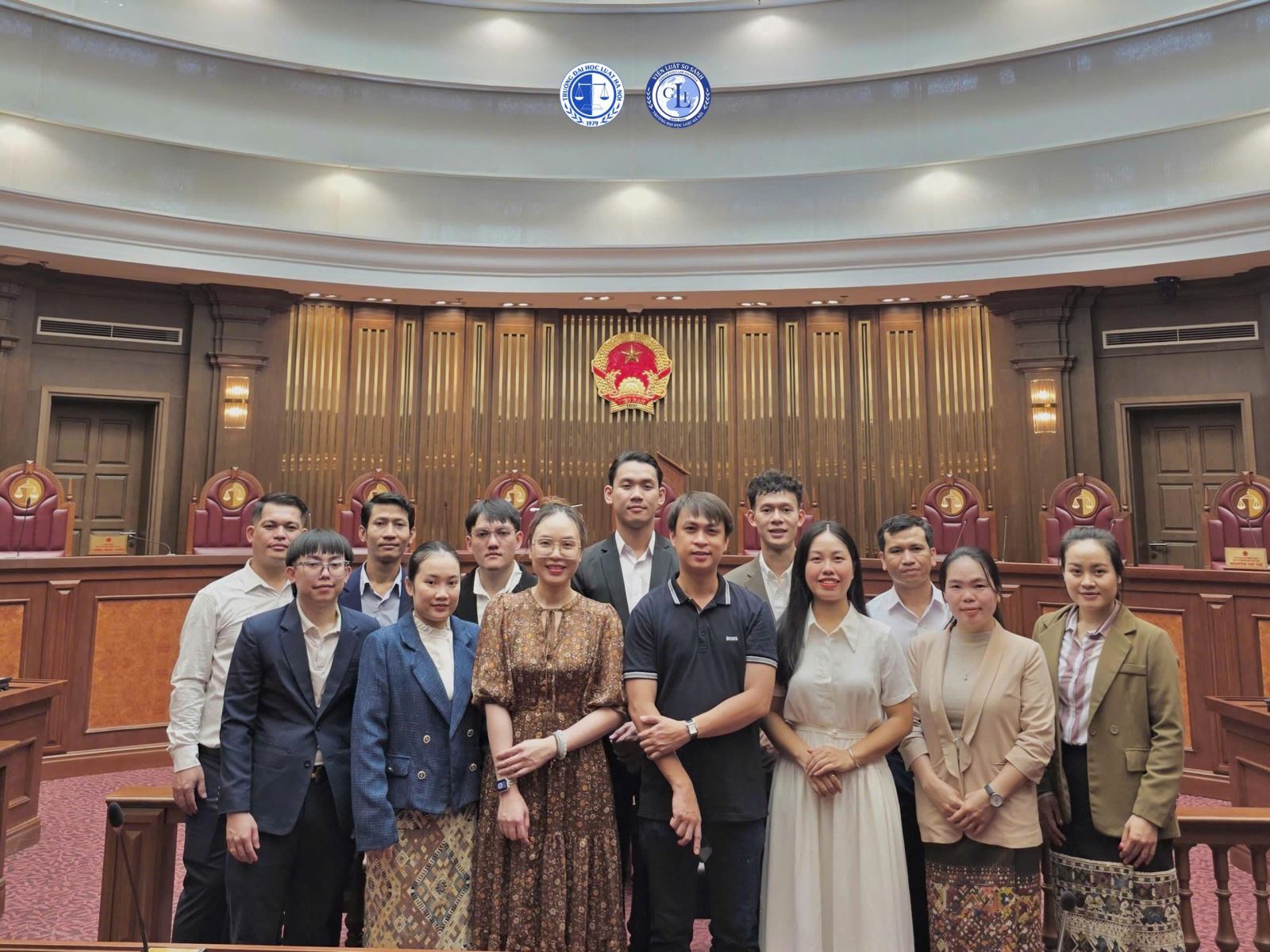
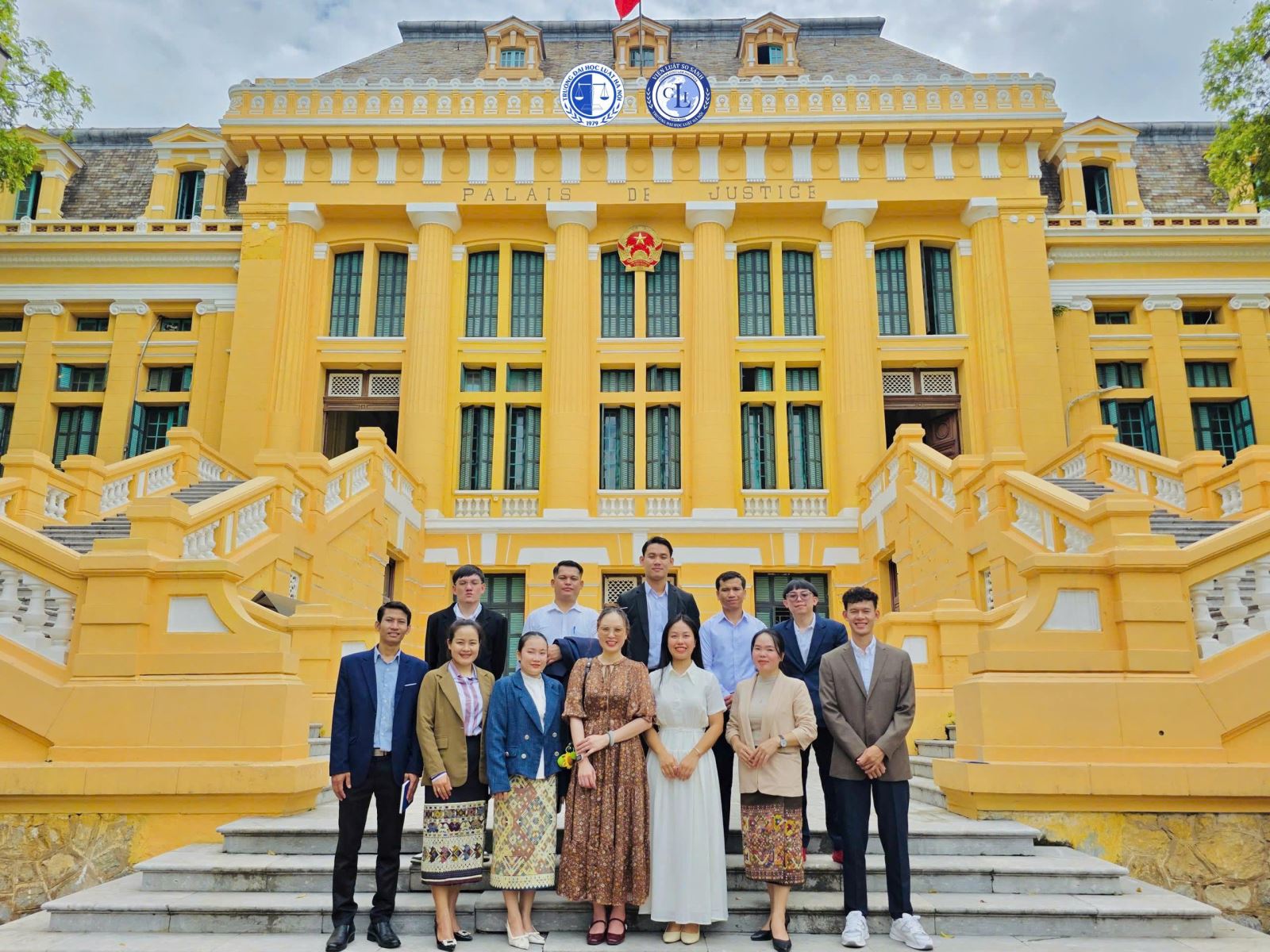
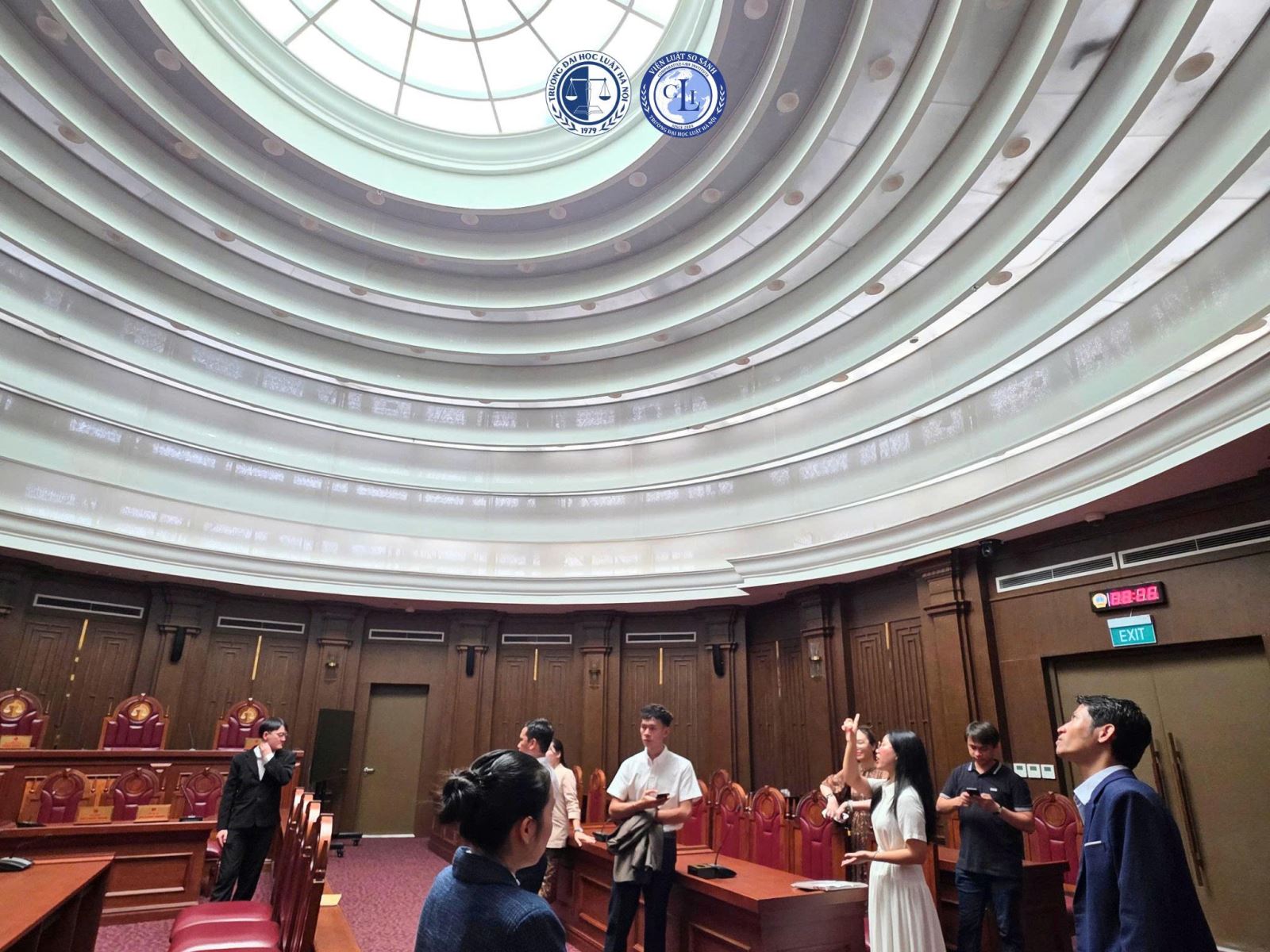
 Trong chuyên đề “Tìm hiểu pháp luật Việt Nam”, học viên đã có cơ hội tham quan, học tập thực tế tại Tòa án nhân dân tối cao vào ngày 6/6/2026. Tại đây, học viên được giới thiệu khái quát về hệ thống pháp luật, tổ chức bộ máy tư pháp và vai trò của Tòa án trong việc bảo vệ công lý, quyền con người và quyền công dân. Hoạt động góp phần giúp học viên tiếp cận thực tiễn pháp lý Việt Nam, đồng thời nâng cao năng lực sử dụng tiếng Việt chuyên ngành pháp lý phục vụ quá trình học tập và nghiên cứu.
 Không chỉ mang ý nghĩa học thuật, chuỗi hoạt động còn góp phần thúc đẩy giao lưu văn hóa, tăng cường sự gắn kết giữa học viên CHDCND Lào với môi trường học tập tại Trường Đại học Luật Hà Nội. Thông qua những trải nghiệm thực tế, học viên có điều kiện hiểu sâu sắc hơn về Việt Nam, đồng thời chia sẻ những giá trị văn hóa và pháp lý của đất nước mình trong môi trường học thuật quốc tế.
Với định hướng quốc tế hóa hoạt động đào tạo và nghiên cứu, Viện Luật so sánh, Trường Đại học Luật Hà Nội luôn chú trọng xây dựng các chương trình học tập gắn với trải nghiệm thực tiễn, tạo môi trường giao lưu học thuật đa văn hóa cho người học. Chuỗi hoạt động lần này tiếp tục khẳng định vai trò của Viện trong việc thúc đẩy hợp tác quốc tế, tăng cường hiểu biết giữa các nền văn hóa pháp lý và hiện thực hóa phương châm hoạt động của Viện: “Kết nối văn hóa pháp lý toàn cầu”.
Một số hình ảnh khác:
.jpg)



English below:
THE COMPARATIVE LAW INSTITUTE – HANOI LAW UNIVERSITY, ORGANISES PRACTICAL TRAINING SEMINARS FOR INTERNATIONAL STUDENTS
Within the scope of the Vietnamese Language and Legal Vietnamese courses for international postgraduate students at Hanoi Law University, the Comparative Law Institute organised a series of practical learning activities under three themes: “Understanding Vietnamese Politics”, “Understanding Vietnamese Culture and Society”, and “Understanding Vietnamese Law”. These are compulsory courses for international students at the University, designed to connect theoretical training with practical experience, thereby supporting students in enhancing their learning, research, and integration in the higher education environment in Viet Nam. Through activities conducted during the seminars, students had the opportunity to apply knowledge acquired in class to real-life contexts while deepening their understanding of Viet Nam, including its people, history, culture, and legal system.
Representing the Comparative Law Institute were Assoc. Prof. Dr. Nguyen Hien Phuong, Deputy Director in charge of the Institute and lecturer responsible for the Vietnamese Language and Legal Vietnamese courses, together with lecturers in Comparative Law Institute, who directly involved in teaching the courses and officers from the Office of International Cooperation. The participating students were postgraduate students from the Lao People’s Democratic Republic (Lao PDR), who are currently enrolled in the Law and International Law programs at Hanoi Law University.
As part of the seminar “Understanding Vietnamese Politics”, on 23 May 2026, the students visited and learned about the Ho Chi Minh Mausoleum, the Ho Chi Minh Museum, and the Hoa Lo Prison Relic. Through guided presentations, exchanges, and discussions, the students had the opportunity to trace the defining moments of Viet Nam’s revolutionary history, Ho Chi Minh’s ideology, and the Vietnamese political system.
For the seminar “Understanding Vietnamese Culture and Society” on 29 May 2026, the student delegation participated in a field trip to the Trang An – Bai Dinh scenic complex in Ninh Binh. The activity helped students gain a more nuanced understanding of traditional cultural values, beliefs, and the social life of the Vietnamese people, as well as the role of cultural heritage in the process of economic and social development and international integration. This was also an opportunity for the students to exchange views and compare similarities and differences between Vietnamese and Lao PDR cultures, thereby strengthening intercultural understanding and consolidating the friendship between the peoples of the two countries.
As part of the seminar “Understanding Vietnamese Law”, the students had the opportunity to visit and participate in practical learning activities at the Supreme People’s Court of Viet Nam on 6 June 2026. In which the students were introduced to the Vietnamese legal system, the organisation of the judiciary, and the role of the Court in safeguarding justice, human rights, and citizens’ rights. The activity gave students practical insights into Vietnamese legal practice and improved their ability to use Vietnamese legal terminology in their studies and research.
Beyond its academic significance, the series of activities also contributed to promoting cultural exchange and strengthening the connection between Lao PDR students and the learning environment at Hanoi Law University. Through these practical experiences, the students gained a deeper understanding of Viet Nam while also sharing the cultural and legal values of their own country in an international academic environment.
With its orientation towards the internationalisation of training and research, the Comparative Law Institute, Hanoi Law University, consistently attaches importance to developing study programmes linked with practical experience and creating a multicultural academic exchange environment for learners. This series of seminars once again affirms the Institute’s role in promoting international cooperation, enhancing mutual understanding among legal cultures, and realising the Institute’s guiding motto: “Connecting Global Legal Cultures”.